
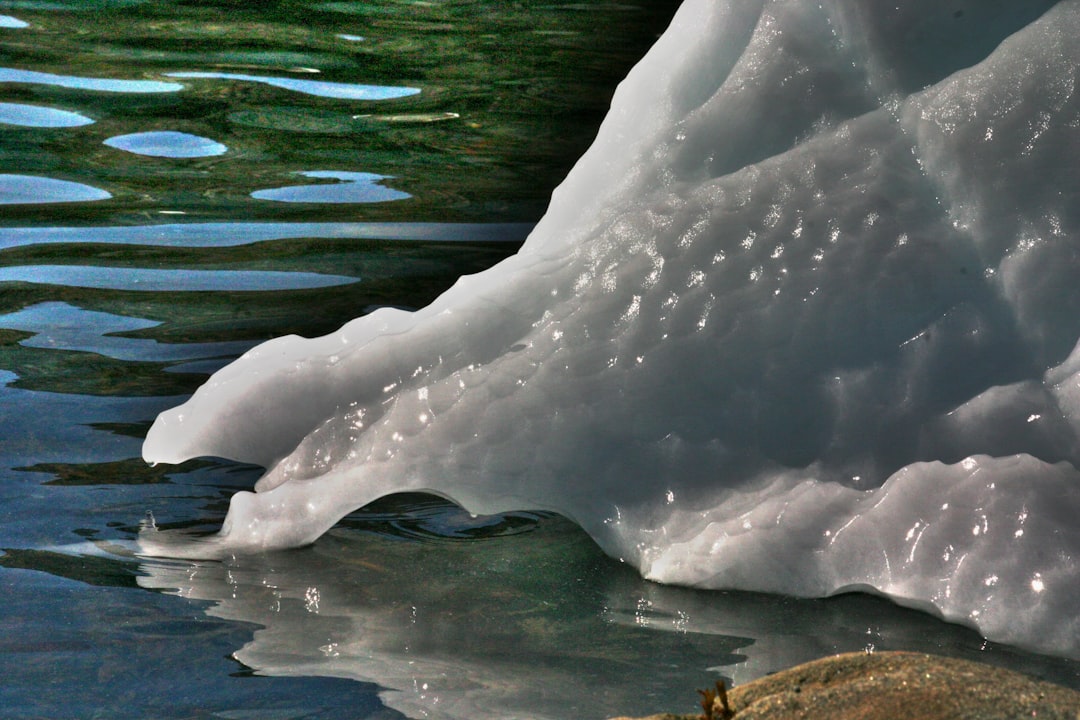
Greenland Ice Melting: Opening New Trade Routes and Expanding Global Shipping
Think about Greenland’s ice melting. It might seem like just an environmental issue, right? But it’s actually changing international trade. The melting ice is opening new shipping paths and shifting Arctic power. Let’s explore how these changes bring both challenges and opportunities for global shipping.
The Science Behind Greenland’s Melting Ice
Understanding Ice Melt
Greenland’s ice is disappearing fast due to global warming. If all of it melted, sea levels worldwide would rise by about 23 feet. We’re not there yet, but the current pace is already impactful. Scientists say Greenland’s ice sheet loses 280 gigatons of ice each year. That’s a lot!
Ecological Impact and Rising Seas
The environmental impact of Greenland’s ice melt is huge. Rising sea levels threaten coastal areas everywhere, causing erosion, flooding, and habitat loss. As the ice retreats, new waterways form, possibly changing global shipping routes. This could lower shipping costs and travel times. But it’s a mix of economic chances and environmental concerns. What’s in it for you?
New Trade Routes: A New Era for Global Shipping
The Northwest Passage
As ice melts, the Northwest Passage becomes a real option. This sea route links the Atlantic and Pacific Oceans through the Arctic, cutting travel time between key European and Asian ports. Imagine skipping the long, risky trips around the Cape of Good Hope or the Panama Canal. The Northwest Passage offers a shortcut that could transform global trade.
Economic Benefits of Shorter Routes
New shipping paths mean faster deliveries and less fuel use, which cuts costs and carbon emissions. For shipping firms, this could be game-changing. A trip from Europe to Asia via the Northwest Passage could be about 40% shorter than through the Suez Canal, saving millions in annual costs.
Geopolitical Implications of Arctic Sovereignty
Global Interests in the Arctic
As new routes open, countries compete for Arctic resources. It’s a high-stakes game, with Russia, Canada, and the U.S. all staking claims. The Arctic is rich in oil and gas, making it a strategic hotspot. It’s not just about the land, but what’s beneath it.
The Role of the Trump Administration
The Trump administration focused on Greenland, even suggesting the U.S. buy the island. While that idea faced skepticism, it highlights Greenland’s strategic importance in Arctic talks. The interest in Greenland goes beyond land; it’s about accessing new trade paths and untapped resources.
Economic Potential: Greenland’s Resources on the Global Stage
Rich Natural Resources
As the ice retreats, Greenland’s hidden resources are emerging. The island has large reserves of oil, gas, and rare earth minerals. These resources are drawing global companies and investors eager to tap into the region’s growing economic potential.
Investment Opportunities
For investors, Greenland is a promising new frontier. As the ice melts, the value of its resources rises. With climate change speeding these shifts, Greenland’s economic scene is evolving quickly, offering lucrative chances for those ready to invest in its future.
Environmental and Economic Challenges Ahead
Balancing Growth and Conservation
The challenge is balancing the use of Greenland’s resources with the protection of its fragile environment. The ice melt is a stark reminder of the need for sustainable progress. Stakeholders must work together to ensure economic gains don’t harm the environment. That’s crucial.
Anticipating Long-term Effects
Over time, ice melt could lead to unpredictable climate patterns and shifting geopolitical dynamics. In light of these changes, cooperation and foresight are essential. Policymakers, scientists, and industry leaders need to prepare for these shifts to manage risks and seize the opportunities of a changing Arctic. What moves will you make?
Conclusion
Greenland’s melting ice is more than an environmental issue; it’s a catalyst for global change. As new trade routes form and geopolitical interests grow, we must adapt to these new dynamics. By understanding the challenges and opportunities of this transformation, industries and policymakers can navigate the complexities of a changing Arctic world. The bottom line? It’s about ensuring a sustainable future in this evolving environment.
2 thoughts on “Greenland Ice Melting: Unlocking New Trade Routes and Global Shipping Opportunities”
Comments are closed.