
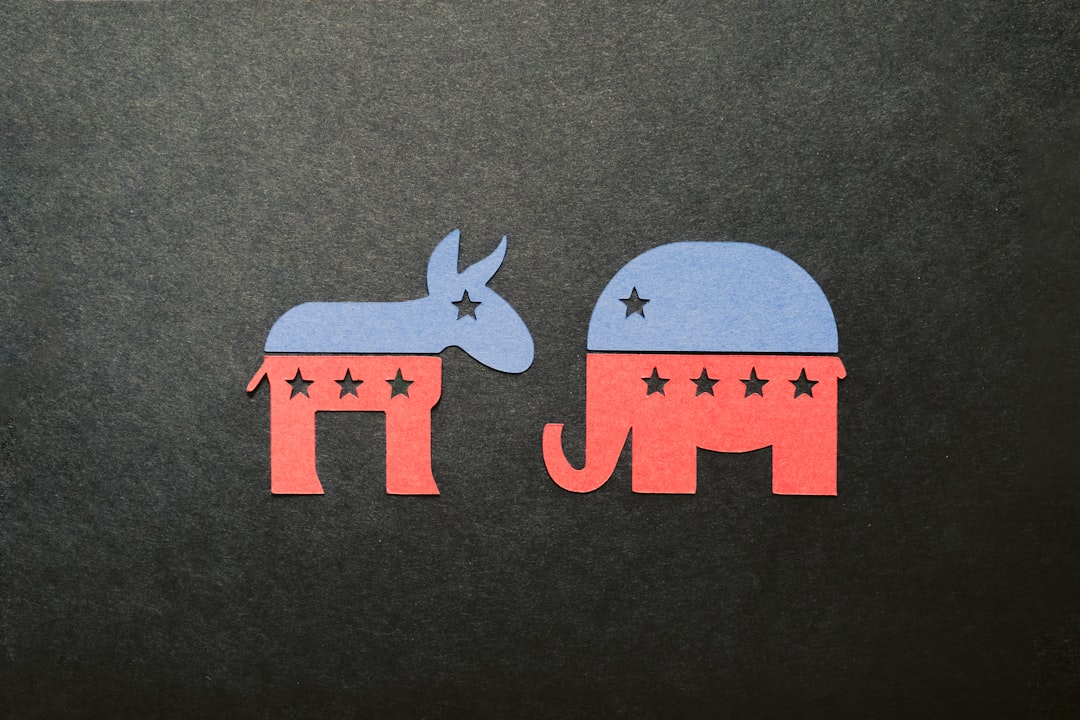
In the complex world of American politics, looking at the negotiation history between Democrats and Republicans can be eye-opening. It’s more than just budget fights. It’s about how years of strategic talks have shaped the nation. By exploring these historical moments, we can start to understand today’s spending debates. We might even predict how Democrats could win future policy battles.
Imagine two chess masters, each move carefully planned. That’s what Democrats and Republicans have been doing for decades. By studying how past leaders handled these talks, we gain a clearer view of current events. Whether you care about party strategies or want to spotlight key Democratic figures, this exploration offers a guide to today’s political tactics. Let’s untangle these historical threads and see what they teach us about future bipartisan efforts.
Understanding the Historical Context of Democrats vs Republicans Negotiations
The Transformation of Bipartisan Negotiations
Looking into the history of Democrats vs Republicans in the U.S. shows a pattern of complex negotiations shaping our political scene. From the start, the two-party system has been central to American politics. This setup forces the parties to engage in detailed talks and compromises. The Founding Fathers created a system needing party cooperation to work well, stopping any single mindset from taking over completely.
Bipartisan negotiations have changed a lot over the years. In the past, these talks often happened informally, maybe over dinner or in private, out of the public eye. But as media coverage grew, so did the openness and complexity of these discussions. Technology and nonstop news cycles have transformed this area, making negotiations more visible and sometimes more heated. Still, the main principles of negotiation and compromise remain key to how Democrats and Republicans interact.
Seminal Negotiations and Their Influence
In American history, some negotiations have been crucial, setting examples that affect today’s political strategies. Think about the Social Security Act of 1935. It came from intense talks that needed both parties to find common ground on social welfare. Similarly, the Tax Reform Act of 1986, led by President Reagan and backed by Democratic leader Tip O’Neill, showed how cross-party teamwork could lead to major legislative wins.
These historical negotiations tackled not only immediate issues but also set the stage for future talks. They taught politicians the value of compromise, a lesson still relevant in today’s political climate. Recent spending deals often echo these earlier strategies, where both sides make concessions to achieve something bigger. This history of negotiation is key to understanding how Democrats can secure future policy wins by using past successes and learning from earlier mistakes.
Ultimately, the historical context of Democrats vs Republicans in the U.S. negotiations offers a blueprint for today’s and tomorrow’s political leaders. By examining past negotiation successes and failures, current politicians can better navigate the complex process of bipartisan negotiations, all while remembering that the main goal is to serve the American public effectively.
The Recent Spending Deal: A Case Study in Bipartisan Strategy
Key Players and Their Roles
In the latest chapter of the ongoing saga between Democrats and Republicans, several key figures played central roles in the recent spending negotiations. On the Democratic side, House Speaker Nancy Pelosi and Senate Majority Leader Chuck Schumer were vital. Their leadership was crucial in rallying party members around shared goals. On the Republican side, Senate Minority Leader Mitch McConnell and House Minority Leader Kevin McCarthy took leading roles, working to secure compromises that aligned with conservative values.
These leaders did more than just represent their parties’ interests. They also had to bridge the gap between different factions within their parties. For instance, Pelosi had to balance progressive demands with the concerns of more moderate Democrats, showing the complexities of party leadership. Similarly, McConnell’s strategy involved maintaining party unity while accommodating the bipartisan sentiments needed for making deals.
Tactics Employed in the Negotiation
The negotiation tactics mirrored historical patterns of how Democrats and Republicans typically approach these deals. Democrats leaned on a strategy of inclusive compromise, focusing on shared values and how the spending package would impact American families. This approach aimed to connect with voters’ everyday concerns, a tactic often used when considering how the Democrats can win support across the aisle.
Republicans, on the other hand, focused on fiscal responsibility and limiting government spending. This aligns with their long-standing belief in smaller government and controlled spending. McConnell and McCarthy used these principles to negotiate terms that satisfied their conservative base while still achieving a workable compromise.
The negotiations featured a series of strategic concessions. For example, Democrats agreed to certain budget caps, while Republicans yielded on key social programs. This exchange exemplifies the Democrats vs Republicans difference in negotiation styles, where Democrats often prioritize social welfare and Republicans focus on fiscal constraints.
Examining these strategies, one can see a clear reflection of historical negotiation patterns. Both parties used their traditional playbooks but adapted them to today’s political climate. This approach not only ensured a deal but also highlighted the evolving nature of bipartisan strategy in the U.S.
Democrats vs Republicans: Ideological Differences and Their Impact on Negotiations
Fundamental Ideological Conflicts
Understanding the fundamental ideological differences between Democrats and Republicans reveals a constant tension that shapes U.S. politics. Democrats generally advocate for a larger government role in providing social services and regulating the economy. They’re often linked with a progressive mindset, aiming to tackle inequality through policies like universal healthcare and increased public service funding. This aligns with the Democrats’ meaning of prioritizing community welfare and equity.
Republicans, on the other hand, emphasize individual freedom, limited government intervention, and free-market principles. They believe economic prosperity comes from lower taxes and deregulation, allowing businesses to grow and create jobs. These differing Democrats vs Republicans News Poll ICE: Americans Views on Enforcement and Protests”>views can make negotiations particularly challenging, as each side approaches fiscal policies with contrasting priorities.
Finding Common Ground
Despite these ideological gaps, history shows moments of compromise where Democrats and Republicans have managed to bridge their differences. Consider the landmark 1986 Tax Reform Act, for example. This bipartisan effort was a textbook case of both parties finding middle ground. Republicans secured lower tax rates, while Democrats closed numerous tax loopholes, resulting in a balanced approach that satisfied both sides.
Another example is the Budget Control Act of 2011. This deal, though controversial, emerged from a standoff where both parties risked a debt default. The compromise involved immediate spending cuts and a bipartisan committee to propose further reductions, showing how the threat of a national financial crisis can push parties toward collaboration.
So, how do these past negotiations inform today’s spending deals? The willingness to find a “win-win” scenario remains essential. When considering Democrats vs Republicans in the U.S. today, understanding these historical negotiation paths can offer insights into how the Democrats can win more concessions by focusing on mutual concerns without sacrificing core principles. By emphasizing shared goals like economic stability or national security, both parties can navigate their ideological differences to achieve productive results.
Lessons Learned from Past and Present Negotiations
Effective Strategies to Emulate
When we look at the history of negotiations between Democrats and Republicans, some strategies stand out as particularly effective. One such tactic is focusing on common ground. During the 1990s, under President Clinton, both parties managed to balance the federal budget, an achievement that required a shared commitment to fiscal responsibility. By identifying mutual priorities, both Democrats and Republicans could pass significant legislation that benefited the nation.
Another key strategy is maintaining an open line of communication. Think of it as keeping the conversation going—constant communication helps avoid misunderstandings. In more recent times, the COVID-19 relief bills showed the importance of regular dialogue and compromise. Frequent meetings and discussions helped both sides reach an agreement quickly, highlighting how transparent communication can break down barriers and foster cooperation.
Challenges to Avoid in Future Deals
However, not all negotiations between the two parties have been successful. A major challenge is sticking too rigidly to one’s position without room for flexibility. The 2013 government shutdown serves as a cautionary tale. The inability to compromise on the Affordable Care Act led to a 16-day shutdown, costing the economy billions. This shows that inflexible stances can lead to harmful consequences.
Another recurring issue is the failure to manage public perception. In democracies, public support can influence the outcomes of negotiations. In some cases, leaders have focused too much on partisan gains, losing sight of broader public interest and, consequently, public support. Learning from these errors, future negotiators should prioritize transparent and consistent messaging that aligns with public sentiment to maintain trust and credibility.
For those wondering how the Democrats can win in negotiations, or how both parties can work better together, it’s crucial to incorporate these lessons. By adopting successful strategies and avoiding past mistakes, future bipartisan efforts can not only bridge gaps but also achieve meaningful progress. Ultimately, understanding the differences in Democrats vs Republicans ideologies and using that knowledge to find middle ground is key to successful negotiation outcomes.
The Future of Bipartisan Negotiations in the U.S.
Predicting Future Trends
Looking ahead, one might wonder how negotiations between the two major parties in the U.S. will evolve. The landscape of Democrats vs Republicans negotiations is bound to change as both parties adapt to new political, social, and economic realities. Given the growing political divide, one potential trend could be the increased use of third-party mediators to facilitate discussions. These mediators could bridge the gap when the political divide seems too wide to cross alone.
Additionally, with technology becoming an integral part of our lives, virtual negotiations might become more common. This would allow party members to meet more frequently and with greater flexibility, potentially leading to quicker resolutions. In a world where a swift response is crucial, this evolution could be essential in maintaining efficient government operations.
The Role of Leadership in Shaping Negotiations
Leadership plays a crucial role in shaping negotiation outcomes. When considering how current leaders might influence future deals, think about how past Democratic and Republican leaders navigated their differences. For example, strong leaders like President Reagan and Speaker Tip O’Neill, despite their differences, managed to reach across the aisle to enact significant policies. The ability of future leaders to emulate such bipartisan cooperation could make all the difference.
As new Democratic leaders emerge, there might be shifts in strategy and priorities. Consider how the Democrats’ meaning of leadership might evolve with leaders who prioritize inclusivity and transparency. This could influence how the Democrats can win future negotiations by fostering a culture of open dialogue and mutual respect.
Moreover, as leadership changes, so might the ideologies that drive negotiation strategies. This could lead to a reevaluation of the Democrats vs Republicans difference and introduce new dynamics to negotiations.
Ultimately, the future of bipartisan negotiations will depend on a delicate balance of adaptability, technology, and leadership skill. By staying informed and engaged, you can better understand the strategies at play in shaping the policies that affect us all. What trends do you think will define future negotiations? Share your thoughts and join the conversation!
Bridging the Past and Present in Political Negotiations
Reflecting on the historical context of bipartisan negotiations, it’s clear how past strategies between Democrats and Republicans have significantly influenced today’s political spending deals. Understanding these historical nuances allows you to grasp the complex dance of compromise and conflict that defines current political landscapes. By examining how both parties have navigated their ideological differences, you gain insight into the art of negotiation that continues to unfold in the halls of power.
These lessons from history not only illuminate recent events but also serve as a roadmap for future discussions. They remind us that despite seemingly insurmountable divides, there’s always potential for common ground. As you watch political debates unfold, consider how the echoes of past strategies inform the moves made today. It’s a fascinating reminder that history doesn’t just repeat itself—it teaches.
Next time you hear about a new spending deal or political negotiation, think about how historical strategies might be influencing the process. Will today’s leaders learn from yesterday’s lessons to craft solutions that benefit everyone? Your understanding of this dynamic can enrich your perspective and perhaps inspire more thoughtful dialogue in your community.
Frequently Asked Questions
What are the key differences in negotiation strategies between Democrats vs Republicans?
Democrats tend to focus on social welfare and inclusive policies, while Republicans often prioritize fiscal conservatism and limited government. These foundational differences influence their negotiation strategies, with Democrats pushing for spending on social programs and Republicans aiming to reduce taxes and government spending.
How have historical negotiations between Democrats and Republicans shaped current spending deals?
Historical negotiations have set precedents for compromise and conflict resolution, influencing today's spending deals. Over time, landmark agreements and bipartisan efforts have established frameworks that guide current fiscal negotiations, impacting how both parties approach budgetary discussions.
Why is understanding the history of Democrats vs Republicans important for today's politics?
Understanding the historical context provides insights into the foundational strategies and compromises that have shaped political dynamics today. It helps explain current partisan behaviors and can offer predictions on future policy negotiations.
When did Democrats and Republicans start engaging in formal negotiations?
Formal negotiations between Democrats and Republicans have been a part of American politics since the inception of the two-party system. However, the nature and visibility of these negotiations have evolved significantly, especially with increasing media involvement from the mid-20th century onward.
How can the Democrats win future policy battles against Republicans?
To win future policy battles, Democrats can focus on building broad coalitions, effectively communicating their policy benefits, and leveraging public support. Historical analysis suggests successful negotiation often involves strategic compromises and aligning with public sentiment.
Who are some key Democratic leaders known for their negotiation skills?
Key Democratic leaders known for their negotiation skills include figures like Nancy Pelosi, known for her strategic leadership in the House, and past leaders like Lyndon B. Johnson, who was instrumental in passing significant civil rights legislation through adept negotiation.